This is the question that quietly stops more people from booking than anything else. You’ve seen the photos, you want the experience, but you’re not a “hiker,” you haven’t trained, maybe you’re over 50 or carrying a few extra pounds, and every blog seems to call it “one of the hardest things I’ve ever done.” So you wonder: can someone like me actually do this?
Here’s our honest answer, from years of walking up Acatenango with all kinds of people: you do not need to be an athlete to hike Acatenango. You need to be willing to go slowly, prepare a little, and use the help that’s available. Plenty of “non-hikers” summit every single week. Let’s talk about whether you’re one of them, and how to stack the odds in your favor.
What the hike actually demands
It helps to be precise about what’s hard, because it’s probably not what you fear. Acatenango isn’t technical, there’s no climbing, no scrambling skills, no danger of heights. What it asks for is the ability to walk uphill for several hours at a slow pace, with rest breaks, carrying a light daypack. The two things that make that harder than it sounds are the steep, loose terrain at the start and the thin air at altitude.
Notice what’s not on that list: speed, athleticism, or hiking experience. The mountain doesn’t care how fast you go. It only cares that you keep moving, slowly and steadily, and rest when you need to. That’s a very different bar than “be in great shape.”
A simple self-test
Try this honest gauge: Can you climb stairs or a steep hill for about an hour, taking breaks whenever you like, without your knees or chest giving you serious trouble? If yes, you can very likely do Acatenango with good pacing and the right support. If that sounds impossible right now, you’ve got a clear target to train toward, and a few weeks of preparation genuinely closes the gap.
“But I’m a beginner / older / out of shape”
Let’s take the common worries one at a time, honestly:
“I’ve never really hiked.”
That’s fine, most of our guests aren’t seasoned hikers. Going with a guide who sets the pace, and keeping that pace slow from the very first step, matters far more than experience.
“I’m over 50 (or 60).”
Age is much less of a barrier than people assume. We regularly host older travelers who summit comfortably. Steady pacing and good cardiovascular health matter more than a number. If you have a medical condition, check with your doctor first.
“I’m carrying some extra weight / not athletic.”
Body type matters less than you’d think; pacing and persistence matter most. Going slow and using the options below levels the field enormously.
“I’m worried about the altitude.”
This is the one genuinely unpredictable factor, because altitude affects everyone differently regardless of fitness. The fixes are simple: spend a night or two in Antigua (around 1,500 m) before the hike to acclimatize, hydrate, ascend slowly, and tell your guide if you feel off.
How to make Acatenango much easier
This is the part that changes the answer for most worried travelers. You don’t have to do the hardest version. Here’s how to take the difficulty down several notches:
Take the 4×4 to base camp: this is the big one
Our 4×4 Basecamp Ride drives you and your gear up the steepest, most punishing lower section of the climb. For travelers nervous about the ascent, this single option is the difference between “I don’t think I can” and “I did it comfortably.” You still get the base camp, the eruptions, and the summit option, just without the brutal opening climb under load.
Don’t carry your pack
Hire a porter or pack ultralight (our packing list shows what we already provide so you carry less). Less weight is less strain on your legs and lungs.
Use trekking poles
Provided on request, they take load off your knees up and especially down.
Skip or shorten the summit push
The pre-dawn summit is optional. You can enjoy the eruptions and sunrise from base camp and skip the final scree climb entirely if you’re not feeling it. Many people do.
Prepare for a few weeks
Some uphill and downhill stair or hill walking in the weeks before makes a real difference, see the prep plan in our difficulty guide.
Go at your own pace, not the group’s
A good guide will hike with slower members. Tell them your concerns up front, that’s what they’re there for.
When it might not be the right hike
We’d rather be honest than sell you something that won’t work. Reconsider Acatenango, or talk to a doctor first, if you have a significant heart or lung condition, have had altitude sickness before, are recovering from a recent injury, or genuinely cannot manage sustained walking even slowly. In those cases, the gentler, lower, half-day Pacaya hike lets you experience a Guatemalan volcano without the altitude and overnight demands. Choosing the right hike for your body isn’t giving up, it’s good judgment.
What the climb actually feels like (for the nervous hiker)
It helps to know the shape of the day when you’re worried about it. You’ll set off from the trailhead in the early afternoon. The first hour is the hardest, steep and on loose ground, and this is exactly where nervous hikers panic and think they’ve made a mistake. Don’t. Slow right down, take small steps, rest when you need to, and let the group’s faster walkers go ahead; your guide will stay with you. (If you’ve taken the 4×4, you skip most of this section entirely.)
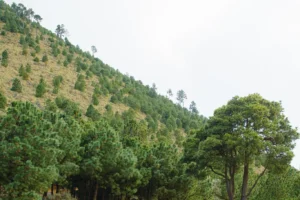
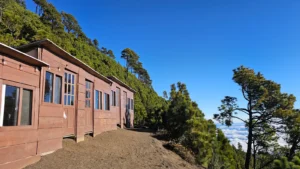
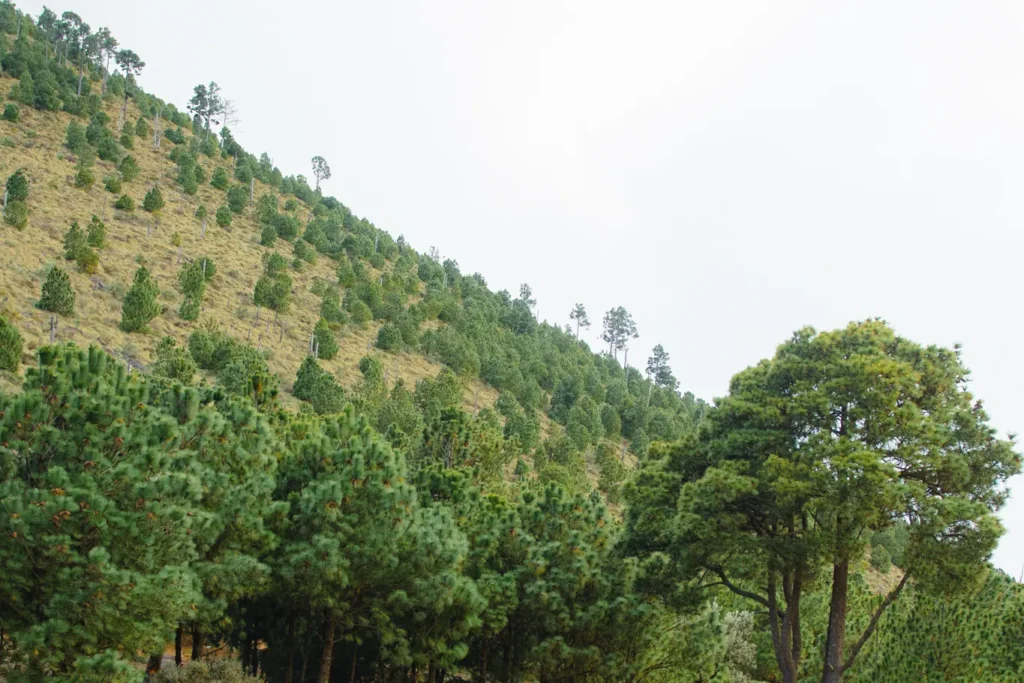
After that opening, the gradient eases in stretches as you move up through cooler, shaded forest. It’s still uphill, but it becomes a rhythm rather than a battle. You’ll take regular breaks, snack, drink water, and watch the landscape change. Most people find that once they’re an hour in and breathing has settled, a quiet confidence kicks in, I can actually do this. You reach base camp in the late afternoon with time to rest, warm up, and settle before the eruptions begin at dusk.
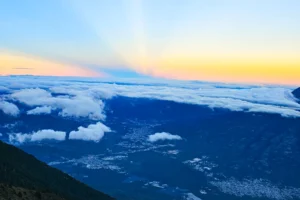
The next morning’s summit push is optional and entirely your call, you can decide that night or even at 4 a.m. based on how you feel. Plenty of nervous first-timers surprise themselves and go for it; plenty of others happily watch sunrise from camp. Both are wins. The point is that the hike is built from manageable pieces with rest between them, not one impossible wall.
The honest bottom line
If you can walk uphill slowly for an hour with breaks, you can almost certainly hike Acatenango, especially with the 4×4 ride, a light pack, trekking poles, and the freedom to set your own pace. The travelers who struggle most aren’t the unfit ones; they’re the overconfident ones who start too fast. Go slow, prepare a little, lean on the help available, and back yourself.
Still on the fence? That’s completely normal, most of our happiest guests were nervous beforehand too. When you’re ready to give it a go on your terms, start with the Acatenango overnight hike and add the 4×4 ride if the climb is your worry. We’ll get you up there.
Frequently asked questions
Can a complete beginner hike Acatenango?
Yes. Many first-time hikers summit Acatenango. The keys are slow pacing, a guided tour, packing light or taking the 4x4 ride, and acclimatizing in Antigua beforehand. Technical skill isn't required.
Can you hike Acatenango if you're out of shape?
Often, yes — with preparation and the right options. The 4x4 ride to base camp, trekking poles, a porter, and the freedom to skip the summit push make it accessible to many less-fit travelers. A few weeks of light stair/hill training helps a lot.
Is Acatenango doable for older travelers?
Absolutely. Plenty of travelers in their 50s, 60s, and beyond complete it. Steady pacing and reasonable cardiovascular health matter more than age. Consult your doctor if you have health concerns.
Do I have to do the summit climb?
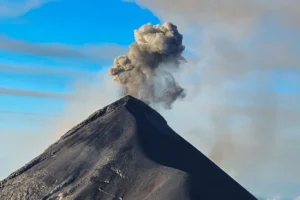
No. The pre-dawn summit push is optional. You can enjoy Fuego's eruptions and the morning views from base camp and skip the final scree climb if you prefer.
What's the easiest way to do Acatenango?
Take the 4x4 to base camp, travel with a light pack or a porter, use trekking poles, go with a guide at your own pace, and consider skipping the summit push. Together these make the hike far more approachable.